
Quote-Based Sourcing vs. Stocked Distribution for Hard-to-Find Industrial Parts
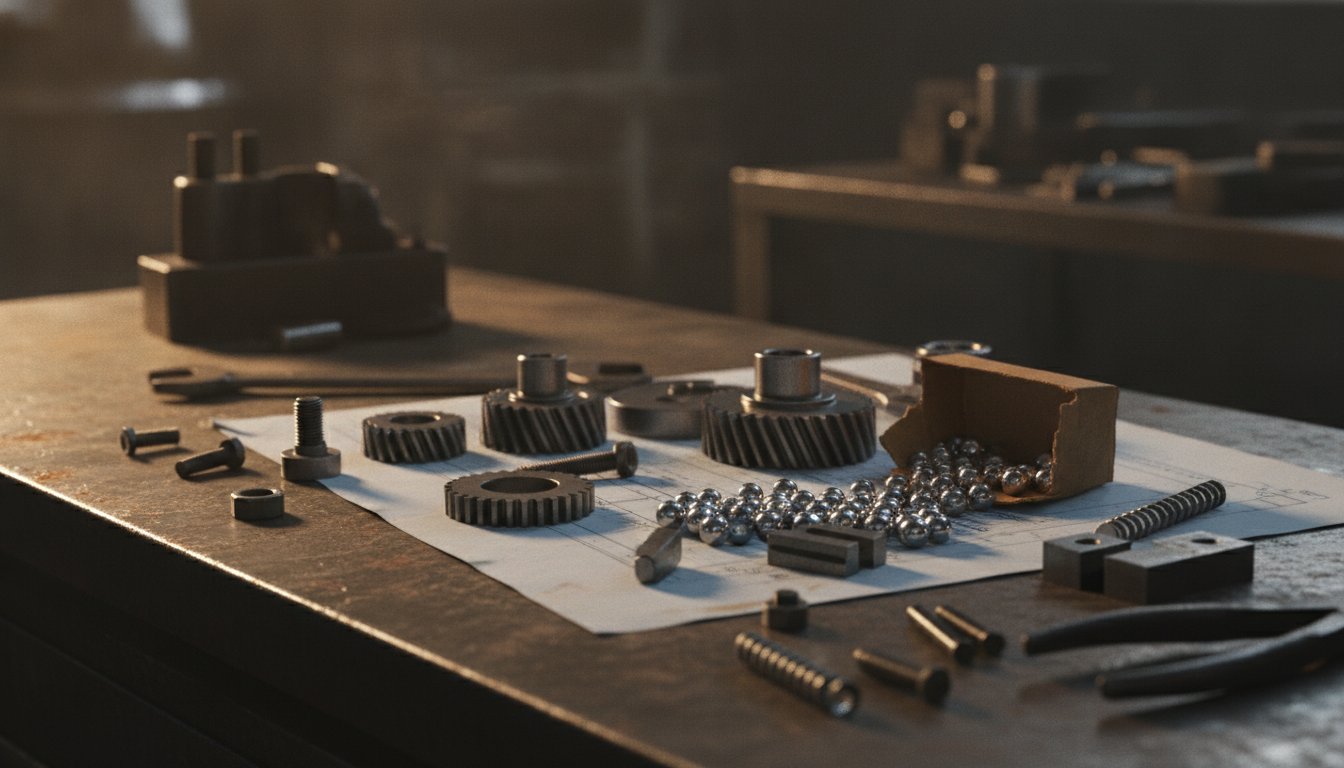
Industrial procurement teams often face a choice between buying from broad-line stocked distributors and using a quote-based sourcing model. For high-volume, standard maintenance items, the choice is obvious. But when you need hard-to-find components or low-volume industrial parts, the math changes. Understanding the tradeoffs between these two distribution models helps buyers make better decisions for their maintenance and operations budgets.
The Limits of Stocked Distribution
Stocked distributors build their business around velocity. They carry items that sell frequently, turning inventory quickly to maximize return on warehouse space. This model works exceptionally well for standard fasteners, common bearing sizes, and basic electrical consumables. However, the model breaks down when you need a specific, low-volume component that falls outside their standard catalog.
Manufacturers produce hundreds of thousands of industrial parts. No single distributor can stock them all. When a machine goes down and requires a specialized drive, an obsolete automation controller, or a precisely specified bearing, a stocked distributor will typically place a special order with the manufacturer. This often leads to long lead times, backorders, and minimum order quantities that force you to buy more parts than you actually need.
How Quote-Based Sourcing Works
A quote-based sourcing model operates differently. Instead of relying on a single physical warehouse of pre-stocked items, a sourcing partner taps into a massive network of manufacturers and specialized suppliers. When you submit a request for a specific part, the distributor leverages its relationships with hundreds of manufacturers to locate the exact component required to your specifications.
This model shines for low-volume and hard-to-find parts. Because the sourcing partner is not constrained by warehouse shelf space, they can source exactly what you need, when you need it, without forcing you into minimum order quantities. This is particularly valuable for:
- Obsolete or legacy equipment: Finding replacement parts for older machinery that standard distributors no longer stock.
- Specialized specifications: Sourcing bearings, drives, or electrical components built to exact manufacturer tolerances rather than generic equivalents.
- Single-unit or low-volume needs: Avoiding bulk purchase requirements when you only need one or two units to complete a repair.
Where Stocked Distribution Still Wins
It is important to acknowledge where stocked distribution remains the superior choice. If you are buying standard items in high volumes, a broad-line distributor with local inventory is usually the fastest route. If a common motor fails and you need an identical replacement immediately, a local stocked supplier can often provide same-day delivery or will-call pickup. Quote-based sourcing, while highly effective for breadth, cannot compete with the speed of an item sitting on a local shelf ready for immediate pickup.
For routine maintenance programs where you consume predictable quantities of standard parts, relying on stocked distribution keeps procurement simple. The tradeoff is simply that stocked distributors cannot economically justify holding low-velocity or highly specialized items, leaving a gap when those specific needs arise.
Choosing the Right Model for Your Procurement Strategy
Most industrial maintenance teams ultimately need both models. Stocked distribution handles the routine, high-velocity supply chain, while quote-based sourcing acts as an essential tool for the exceptions. By utilizing a sourcing partner that can match exact manufacturer specifications across a vast network of suppliers, procurement teams can avoid the trap of compromising on generic parts or over-ordering to meet arbitrary minimums.
If your team is struggling to locate a specific industrial component, or if you want to avoid minimum order requirements for a low-volume part, reaching out to a specialized sourcing partner can bridge the gap. Contact our team to discuss your exact specifications and let us help you source the right parts for your application.
Need a quote on a specific part?
Request a Quote